12 Questions to Ask Before Booking an Event Vendor
Most event disasters trace back to a question nobody asked before the contract was signed. The caterer who showed up two hours late had told everyone their load-in takes three hours. Nobody asked. The photographer whose quote doubled had a travel fee in the fine print. Nobody asked about that either.
The fix is simple and it costs nothing. Before you sign with any venue, caterer, photographer, or entertainer, run them through the twelve questions below. A professional will answer all of them without hesitation. Hesitation is your answer.
Credibility: Can They Prove They're Legitimate?
1. Do you carry liability insurance, and can you send a certificate?
Any vendor working your event should carry general liability insurance, and proving it takes them five minutes. A certificate of insurance is a one-page document from their insurer showing coverage types, limits, and dates. Most venues require one before a vendor can load in. A good answer sounds like "I'll email the COI today, and my insurer can name your venue as additional insured if they require it." A bad answer is any version of "we've never needed that."
2. Are you licensed and permitted for this type of work?
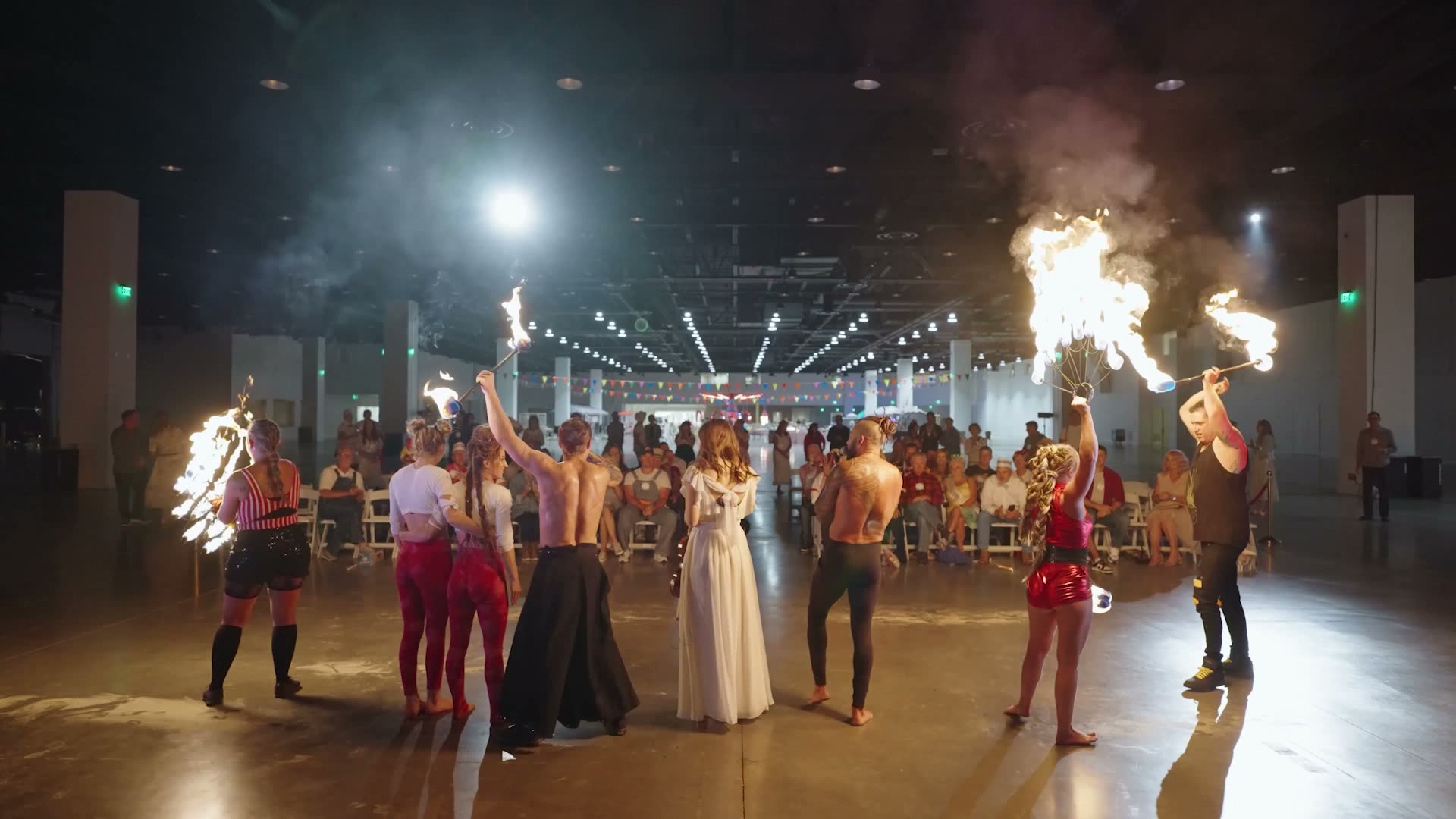
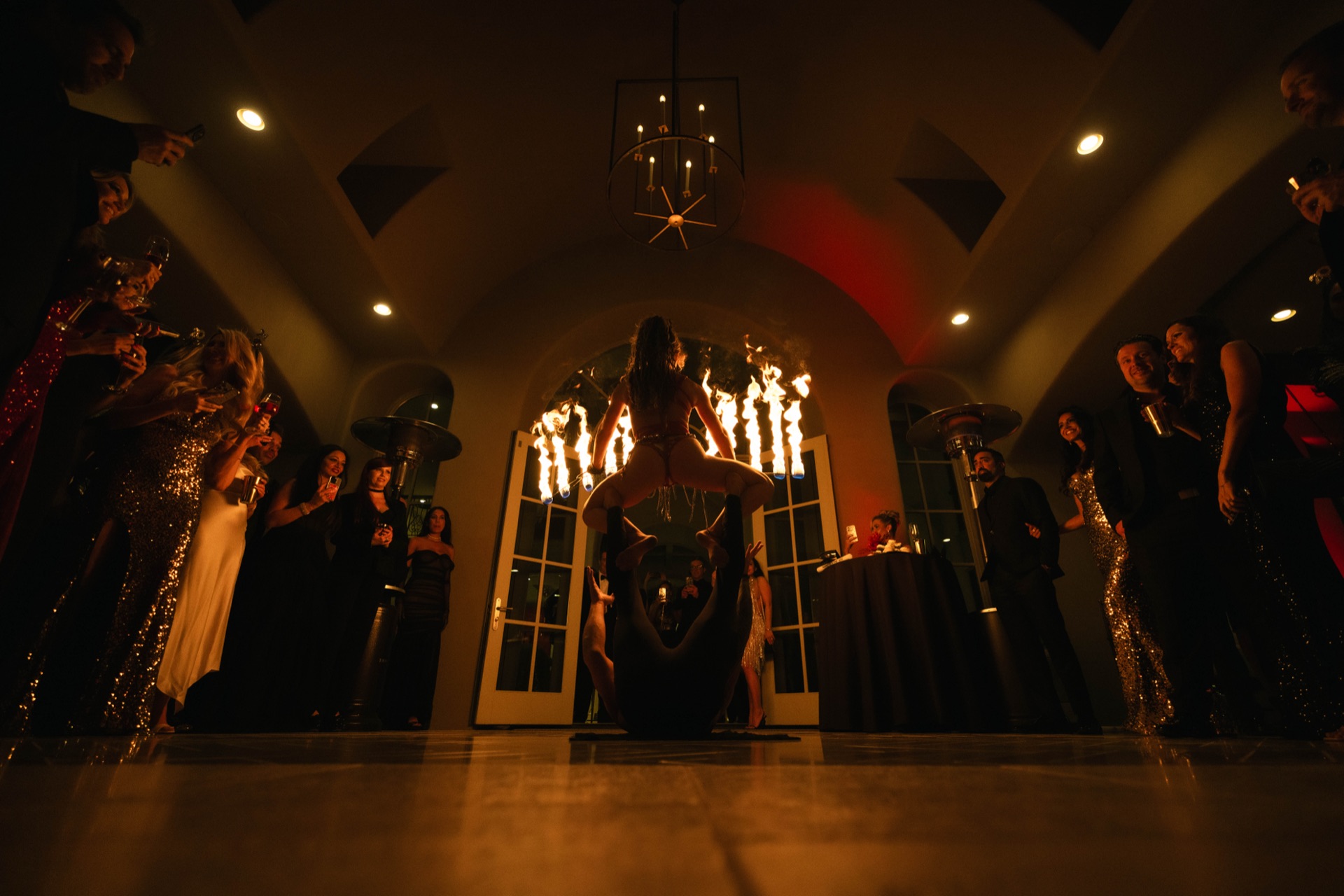
Requirements vary by category. Caterers need health permits, bartenders need liquor licensing, and specialty acts like pyrotechnics or fire performance often need permits pulled per event with the local fire authority. A good answer names the specific credential and who issues it. If you are booking specialty entertainment, our guide on how to book fire performers and specialty acts walks through the permit process in detail.
3. Can I speak with two recent clients?
References tell you what reviews cannot: how the vendor behaved when something went wrong. Ask for clients from the past year with events similar in size to yours. A good answer is two names and phone numbers within a day. When you call, ask one question: "Would you hire them again, and what surprised you?" A vendor who stalls on references usually has a reason.
Logistics: Will the Day Actually Work?
4. How much setup time do you need, and when can you access the space?
This is where timelines quietly fall apart. A band might need three hours to load in and sound check. A florist might need four. Meanwhile, the venue may only open the doors ninety minutes before guests arrive. Setup access belongs on every vendor's checklist, not just the venue's. A good answer includes a specific load-in window and who coordinates it.
5. What do you need from the venue or from me?
Vendors have requirements that someone has to fulfill: power circuits, water access, a prep kitchen, ceiling height, a loading dock, staff meals. A good answer is a written rider or requirements sheet. If a vendor says "we'll figure it out on the day," that means you will be figuring it out on the day, in front of your guests.
6. What is your backup plan?
Ask what happens if the lead photographer gets sick, the truck breaks down, or the weather turns. Professionals have thought about this before you asked. A good answer sounds like "we have a second shooter on call and a written substitution clause in the contract." For outdoor elements, the backup should be something you would actually be happy with, not a sad plan B nobody wants to use.

Money: What Will This Actually Cost?
7. What exactly does the quote include, and what costs extra?
Add-on fees are the most common source of budget shock. Cake-cutting fees, travel charges, overtime rates, rental deliveries, and service charges can add twenty percent or more to a headline price. Ask for the quote in writing, itemized. A good answer lists inclusions and names every possible extra. For a sense of realistic pricing across entertainment categories, see our companion guide on how much event entertainment costs.
8. What is the deposit, and is any of it refundable?
Most vendors take a non-refundable deposit or retainer to hold your date, which is fair. Your date is their inventory, and holding it means turning away other work. What you need in writing is the amount, the payment schedule for the balance, and whether the deposit transfers if you reschedule. Get every payment term and any verbal promise documented before signing.
9. What is your cancellation policy, in both directions?
Your side is obvious: what do you owe if you cancel sixty days out versus six days out? The other direction matters more. If the vendor cancels on you, what do they owe? A good answer includes a refund of everything you have paid plus reasonable help finding a replacement. If a contract only protects the vendor when things go wrong, keep looking.
Fit: Are They Right for This Event?
10. Have you done events like mine?
A caterer who is excellent at 40-person dinners may struggle at a 400-person gala. A DJ who owns the club scene may misread a corporate awards night. Ask specifically: same guest count, same event type, same setting. A good answer comes with examples and photos from comparable events, not just their greatest hits.
11. Can I see full galleries or full sets, not highlights?
Every vendor's portfolio shows their best twenty minutes. Ask a photographer for a complete gallery from a single event. Ask a band for an unedited live clip. Ask a caterer for a full menu they executed, not a tasting spread. The gap between the highlight reel and the full body of work tells you what your event will actually look like.
12. Who will actually be at my event?
The person selling you may not be the person serving you. Larger companies send associate photographers, second-string bands, or whichever crew is available. That can be fine, but you should know before you sign. A good answer names the specific people assigned to your date and puts it in the contract. "Someone from our team" is not a name.
Put the Answers in Writing
Twelve questions sounds like a lot. In practice it is one conversation and one follow-up email. Ask them all, then make sure the answers that matter, insurance, deliverables, payment terms, and named personnel, appear in the contract itself. A verbal yes is a pleasant memory. A written yes is enforceable.
If you want a head start, every vendor on Soivena is curated before they are listed. Browse the marketplace to compare venues, caterers, photographers, and entertainers side by side, or check our pricing to see how booking through Soivena works. Then ask your twelve questions anyway. The best vendors enjoy answering them.
Common questions
What is the most important question to ask an event vendor?
Ask for a certificate of insurance. It takes a legitimate vendor minutes to provide, most venues require it, and a vendor who cannot produce one is disqualified before you evaluate anything else.
How much deposit is normal for an event vendor?
Most vendors ask for 25 to 50 percent to hold your date, and it is usually non-refundable. Get the amount, the balance schedule, and any transfer terms in writing before you pay.
Should event vendor agreements always be in a written contract?
Yes. Every term that matters, including price, deliverables, insurance, cancellation policy, and the names of who will work your event, should be in a signed contract. Verbal promises are not enforceable.
How far in advance should I book event vendors?
Book venues 9 to 12 months out for large events, and caterers, photographers, and entertainment 4 to 8 months out. In-demand vendors and peak dates go earlier, so start vetting as soon as your date is set.