How Much Does It Cost to Hire Event Entertainment in 2026?
Ask five entertainers for a quote and you will get five numbers that look nothing alike. Nobody is lying to you. Entertainment pricing depends on variables most planners never see: performance length, crew size, travel, insurance, and production requirements. This guide lays out real 2026 ranges for the most common act types, what actually drives the price, and how to compare quotes like someone who has done this before.
One note before the numbers: every range below is a broad market range, not a quote. Rates vary by region, season, and experience level, so treat these as orientation, not gospel.
Typical Price Ranges by Act Type
DJs. A professional event DJ runs $800 to $2,500 for a four to six hour booking, with the national average around $1,800. Northeast markets push past $2,500. Corporate bookings price about the same, though a short cocktail-hour set can come in lower.
Live bands. Bands cost more than DJs because you are paying multiple professionals plus gear. A trio or quartet runs $1,800 to $4,000. A full six to ten piece party band runs $4,000 to $10,000, and premium show bands with horns, lighting, and touring credits climb past $15,000. The national average sits around $4,500, roughly two and a half times a DJ.
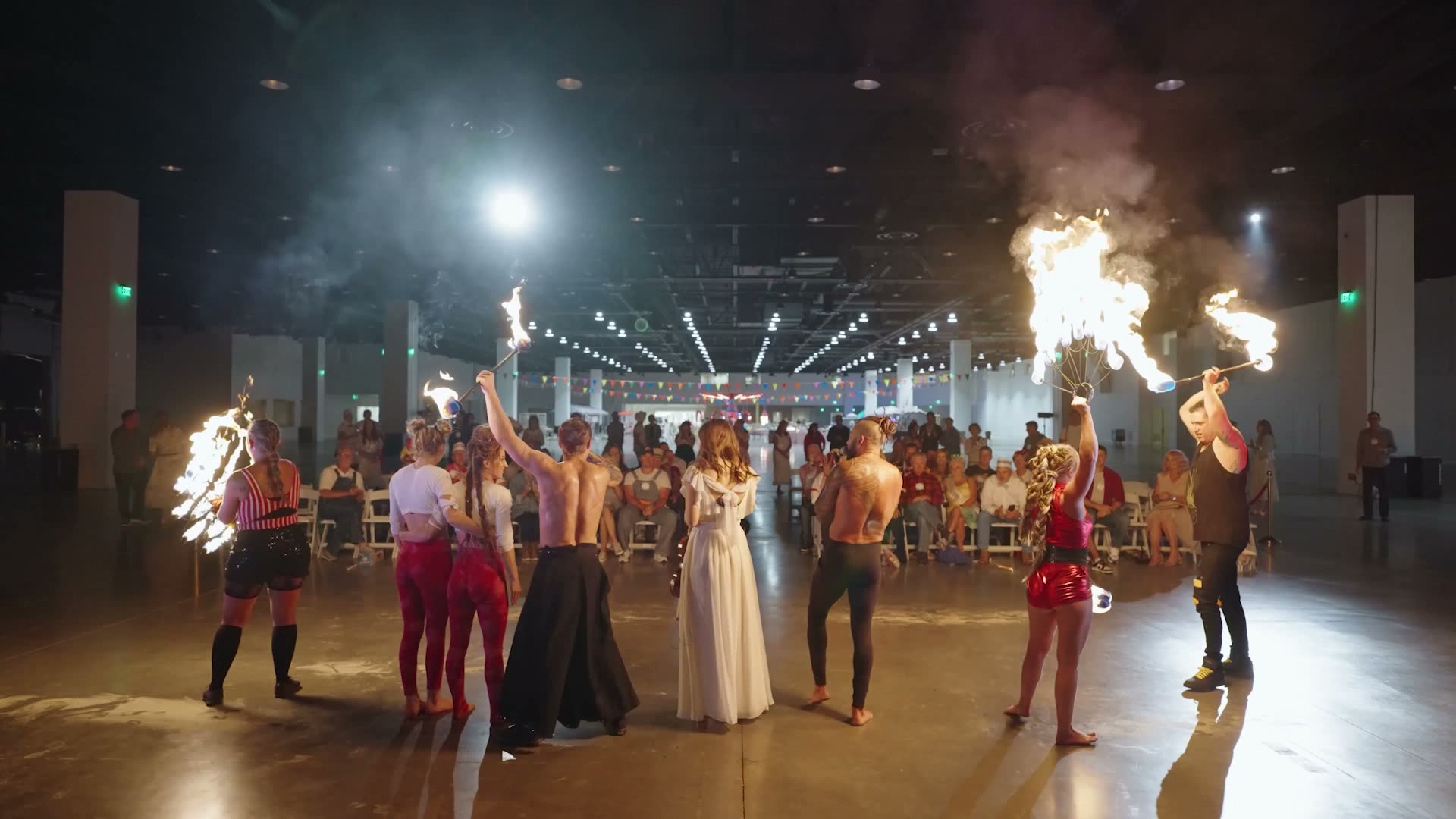
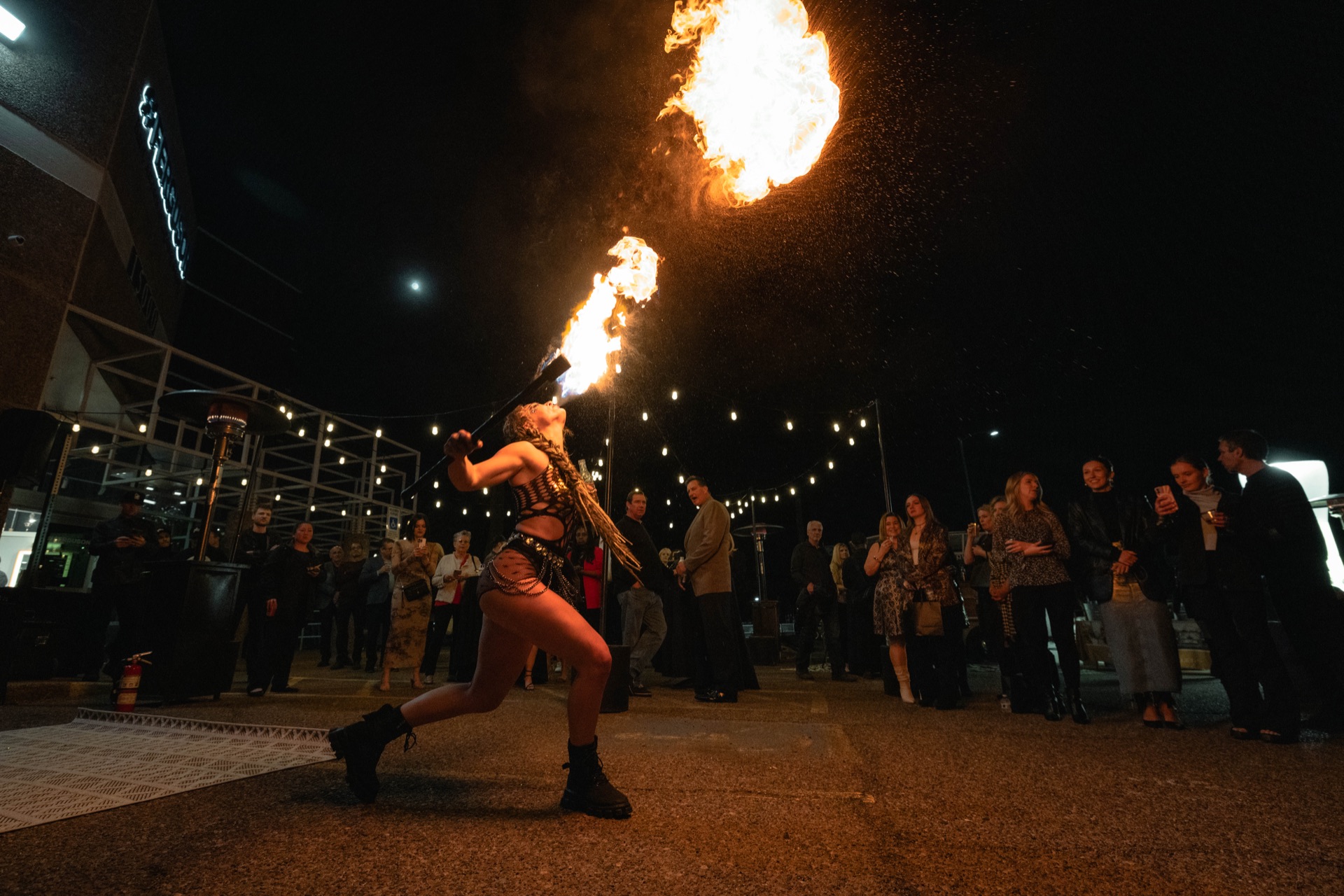
Fire performers. A solo fire performer runs $300 to $800 for a short featured set. Choreographed multi-performer shows with music, costuming, and a safety crew run $1,500 to $5,000 or more. Part of what you are paying for is the permitting and insurance behind it. If you are considering this route, read our guide on how to book fire performers and specialty acts before you sign anything.
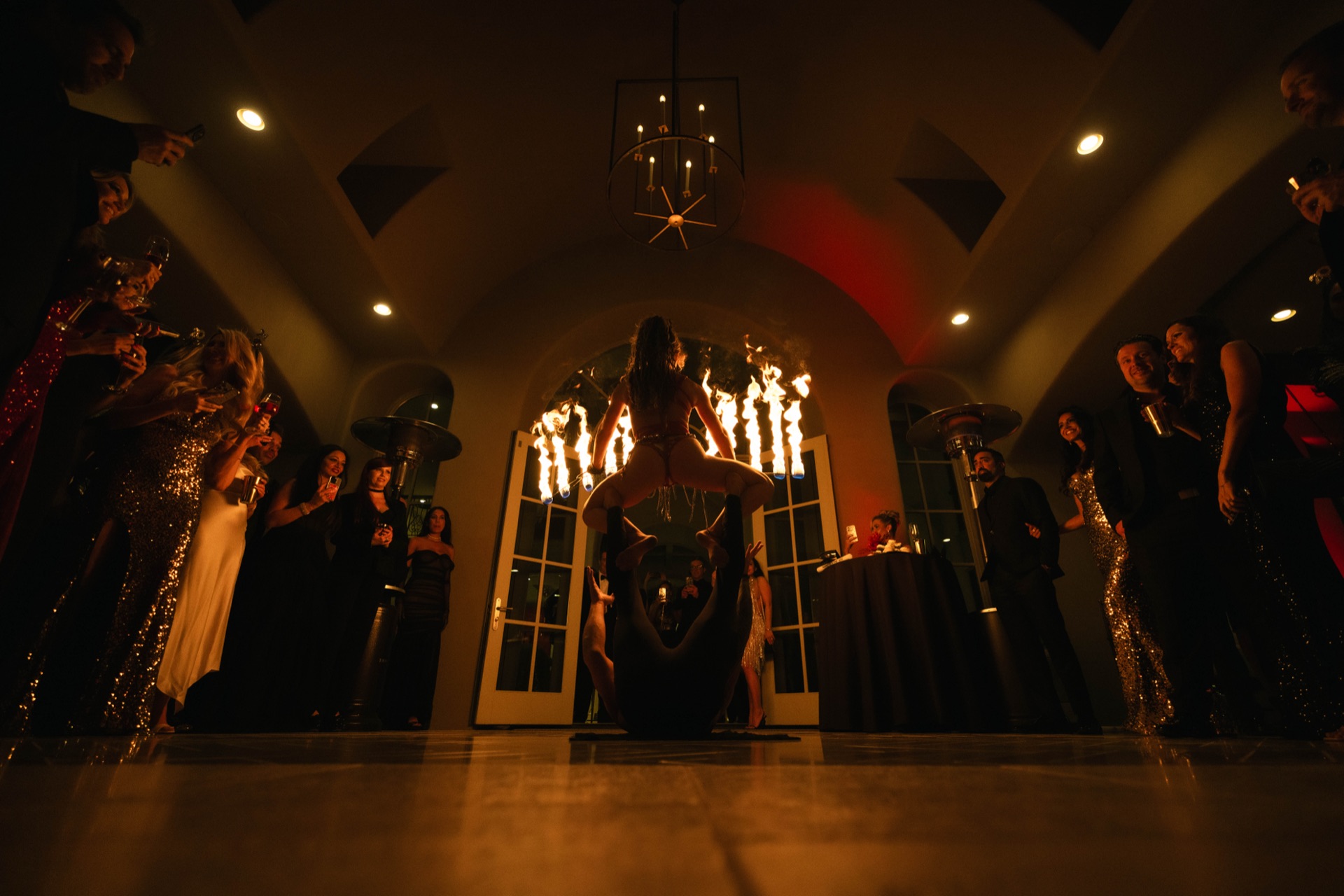
Aerialists. Solo aerial acts run $500 to $1,200 per performance. Rigged acts price higher than ground-based ones because rigging takes engineering, inspection, and setup time. Ambient aerial, think champagne service from a suspended hoop, is usually billed hourly at $400 to $1,000 per performer.
Magicians. Strolling close-up magic runs $300 to $1,000 for a couple of hours. A headline stage show from an established performer runs $1,500 to $5,000 or more.
Dancers. Professional dancers run $150 to $500 per dancer per set, depending on style and choreography. Full troupe productions with custom choreography and costuming run $1,500 to $6,000.
You can browse vetted performers across all of these categories in our entertainment marketplace, or go straight to music and DJs if that is your lane.
What Actually Drives the Price
Five factors explain most of the spread between quotes.
Duration and format. A 15-minute featured performance and four hours of continuous coverage are different products. Short, high-impact sets often cost more per minute but less overall.
Headcount. Every additional performer, tech, or safety spotter adds labor. A quote for a "fire show" might cover one performer or six. Always ask.
Travel. Local acts within an hour of the venue usually build travel in. Beyond that, expect mileage, lodging, or a flat travel fee. Destination events can add 20 to 40 percent to the base rate.
Insurance and permits. Professional entertainers carry general liability coverage, and venues typically require proof of it. Short-term vendor policies can run as little as $50 per event, though fire and aerial acts carry higher annual premiums that live inside their rates. An act that cannot produce a certificate of insurance is a red flag, not a bargain.
Production needs. Sound, lighting, staging, rigging points, and power all cost money. Some acts are self-contained. Others assume the venue provides production, and if it does not, that gap becomes your line item.
Budget Tiers: What You Get at Each Level
Under $1,000. A solo act: a DJ for a short event, a strolling magician, a single dancer or fire performer for a featured moment. Fine for small private parties. Thin for weddings and corporate events.
$1,000 to $3,500. The workhorse tier. A strong DJ for a full reception, a small live combo, a solo aerialist plus a DJ, or a two-person specialty act. Most private events land here.
$3,500 to $8,000. A full party band, a produced specialty show with multiple performers, or a layered lineup like ambient entertainment during cocktails plus a headline set after dinner. Common for weddings and mid-size corporate events.
$8,000 and up. Premium bands, multi-act productions, custom choreography, and full production support. Galas and large corporate programs live here. As a planning anchor, entertainment runs 8 to 12 percent of a total event budget.
How to Compare Quotes
Comparing entertainment quotes on the bottom-line number alone is how people overpay for less. Line them up on these points instead:
- Performance time versus on-site time. Two hours of performance across a six-hour presence is a different job than two continuous hours.
- Who and what is included. Number of performers, sound, lighting, MC duties, setup and teardown.
- Insurance and permits. Who carries coverage, who pulls permits, who names the venue as additional insured.
- Overtime rate. Get it in writing before the event, not at 10 p.m. during it.
- Deposit and cancellation terms. Standard is 25 to 50 percent down with a written refund schedule.
Contracts are what protect you if a vendor no-shows or under-delivers. Never book on a verbal quote. Our guide to the questions to ask before booking an event vendor gives you a full checklist to run before you commit.
Hidden Costs That Surprise People
- Travel and lodging billed after the fact instead of quoted upfront.
- Meals. Riders often require vendor meals for performers and crew. Budget per head.
- Overtime. The most common surprise. One extra hour at time-and-a-half adds up fast across a band.
- Production gaps. The act assumed the venue had sound. The venue assumed the act was bringing it. You get the rental bill.
- Rigging and site fees. Aerial acts may need a certified rigger or an engineer's sign-off on attachment points.
- Service fees. Some agencies add 10 to 20 percent on top of performer rates. Ask whether the quote is all-in.
The fix for all of these is the same: ask for an itemized, all-in quote in writing, and get every assumption on paper.
The Bottom Line
Plan on $800 to $2,500 for a professional DJ, $2,000 to $10,000 for a live band, and $500 to $5,000 for specialty acts like fire, aerial, and magic, depending on scale. Push every quote to be itemized, verify insurance, and lock terms in a contract. When you are ready to compare real options side by side, browse entertainment on Soivena or see how our pricing works. Every vendor on the platform is curated, so the quotes you get are worth comparing.
Common questions
How much should I budget for event entertainment in 2026?
A common planning anchor is 8 to 12 percent of your total event budget. For most private events that means $1,000 to $3,500; weddings and corporate events commonly land between $2,000 and $8,000.
Is a DJ or a live band cheaper?
A DJ, by a wide margin. Professional DJs commonly run $800 to $2,500 while full live bands commonly run $4,000 to $10,000, since a band means paying several musicians plus sound and gear.
How much does it cost to hire a fire performer?
A solo fire performer commonly runs $300 to $800 for a short featured set. Multi-performer choreographed fire shows with a safety crew commonly run $1,500 to $5,000 or more, plus any local permit costs.
Why do entertainment quotes for the same act vary so much?
Quotes reflect different assumptions about duration, number of performers, travel, insurance, and production. Ask each vendor for an itemized, all-in quote so you are comparing the same scope of work.